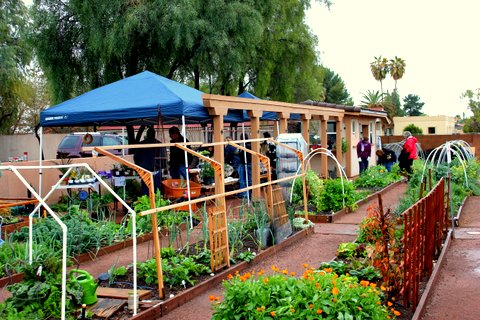
What is this?
Saturday, May 18, 2013
Wednesday, May 15, 2013
Mosaic Stepping Stones
Thinking ahead and in preparation for the next garden sale, we are busy making stepping stones and decorating pots.
It is a lot of fun and the results are amazing. See Kurt's coy above.
Monday, May 6, 2013
Growing Squash
Types of Squash
Shorter harvest time
Plant in the spring (Feb-Mar.) Try replanting in Aug. and squash bugs may be less of a problem
Plant in Aug. for harvest in Nov.
Can take a small brush and brush pollen from one flower to the next
Increase the number of days as temperatures heat up
Squash Bugs: Stages: egg, nymph, adult
Grow the short maturity varieties
Look for varieties resistant to powdery mildew
Summer squash ( zucchini, crook or straight neck,
patty pan)
Soft
skins (not good for storage)
Bushy plantsShorter harvest time
Plant in the spring (Feb-Mar.) Try replanting in Aug. and squash bugs may be less of a problem
Winter squash (hubbard, butternut, acorn,
pumpkins)
Hard skins (good for long term storage)
Mostly long, vining plantsPlant in Aug. for harvest in Nov.
Fruit set
Not getting fruit: May need to
pollinate by hand. Male has stem only below
the flower
Female has a bulb before the flowerCan take a small brush and brush pollen from one flower to the next
Aiding pollination:
Plant pollinating flowers among your squash
plants
Sunflowers are great pollinator attractors
and make a hedge of shade.
Watering
Mulch 4-6” around plants for moisture retention but not
up against the stems
Long and slow deep watering 1-2x’s a week for deep
penetrationIncrease the number of days as temperatures heat up
Mid day wilt is
natural with squash. If the
plants refresh in the early evening or morning,
do not water more. If it stays wilted,
increase the duration and possibly add another day.
Squash needs shade at the hottest part of the day (3-7 PM)
Pests and Diseases
Dealing with powdery mildew (a white powdery residue on the leaves):
Causes : over
watering, crowded plantsSquash Bugs: Stages: egg, nymph, adult
Check the tops and undersides of the leaves for the eggs
which are reddish brown in
a cluster. Remove the leaves infested
immediately, squash them, put them in a plastic
grocery bag tied up tightly and throw
them in the trash can. Do not compost any infected leaves. (See Bug chart on bulletin board in the
shed.)
Neem oil will kill the nymphs but not the adults.
Prepared by Pam Smyth 4/23/13
Thursday, May 2, 2013
Monday, April 29, 2013
Friday, April 26, 2013
Wednesday, April 24, 2013
Sunday, April 21, 2013
What to do with too much chard
For Chard, Mustard, Kale, etc…
Any combination: onions, chives, shallots, garlic,
etc… (Allium family).
Optional:
Fry bacon or pancetta along with these at this time if
you eat pork;
Otherwise, add slivers of sundried tomatoes canned in
olive oil. Set aside.
·
Microwave 1-2 buttered yams until just cooked, almost
soft, let cool and set aside.
·
While sauté is in process, wash and stack bitter leafy
greens, rolling into “cigar shape” from leaf tip to stem ends.
·
Julienne crosswise greens after making 1-2 longitudinal
cuts down length of “cigar”. Set aside.
·
Flavor oil in sauté with spices of choice; e.g.,
turmeric, curry powder, popped cumin or mustard seeds- to release essential
oils. (Available at http://www.littleindiaaz.com/). Spanish
smoked paprika (available at Whole Foods or online), cayenne, black pepper,
etc…can be added now. Do not salt yet.
·
Braise / wilt down the julienned greens in the
flavored oil.
·
Add water, low sodium free range chicken broth, or
other broth to taste to aid braising. Cover and simmer.
·
Cube cooled yam into ½” dice. I use peel, you may
choose to discard. Rinse and drain one can of white beans.
·
When greens cooked to desired level, adjust salt and
pepper to taste. ( I prefer black salt from India, available at http://www.littleindiaaz.com/, which
adds a slight sulphur taste, this is an acquired but amazing exotic layer of flavor)
·
Gently add cubed yams and drained beans to braised
greens. Replace pan lid just to heat
these additions. Do not over-stir and damage shape of beans and yams dice.
·
Garnish with toasted chopped cashews and serve with
Modena balsamic vinegar and Arbequina olive oil.
Wednesday, April 3, 2013
Hail, Kale
Like broccoli, cauliflower, and collards, kale is a descendant of the wild
cabbage, a plant thought to have originated in Asia Minor and to have been
brought to Europe around 600 B.C. by groups of Celtic wanderers. Curly kale
played an important role in early European food ways, having been a significant
crop during ancient Roman times and a popular vegetable eaten by peasants in the
Middle Ages. English settlers brought kale to the United States in the 17th
century.
For more information about kale and it's nutritional value, go here.
Oh, hail you kale.
Sunday, March 31, 2013
Thursday, March 28, 2013
Native plants
The serious master gardeners at FIGG have been experimenting with native plants. Visit The Arizona Native Plant Society for more information.
Monday, March 25, 2013
Waggoner students visit FIGG
On this nice Spring day, anyone driving by would notice a bunch of very engaged students at the garden. Melissa, Pam, Laura, Marni, and Doug had the usual lessons prepared for the young and curious students. They planted, they touched worms, they made compost, and they even got to spread some peanut butter on the celery harvested from the Children's plot.
Pretty cool experience for all involved.
Saturday, March 9, 2013
Plant Sale
Before: Ideas are discussed, plans are documented, and decisions are made.
Sale Day: Happy shoppers look, touch, discuss, and walk away with goodies for their home gardens.
Oh the buzz and vibe of the place. It was a soulful experience.
Wednesday, March 6, 2013
Going native
The experimental plot has been developed as a place of exploration for the gardeners. Native and low water plants reside here.

Subscribe to:
Posts (Atom)